Coal Smoke, Cold Noodles, and Ming-Era Streets: Your Armchair Tour of Taiyuan, China's Most Underrated Drama Backdrop
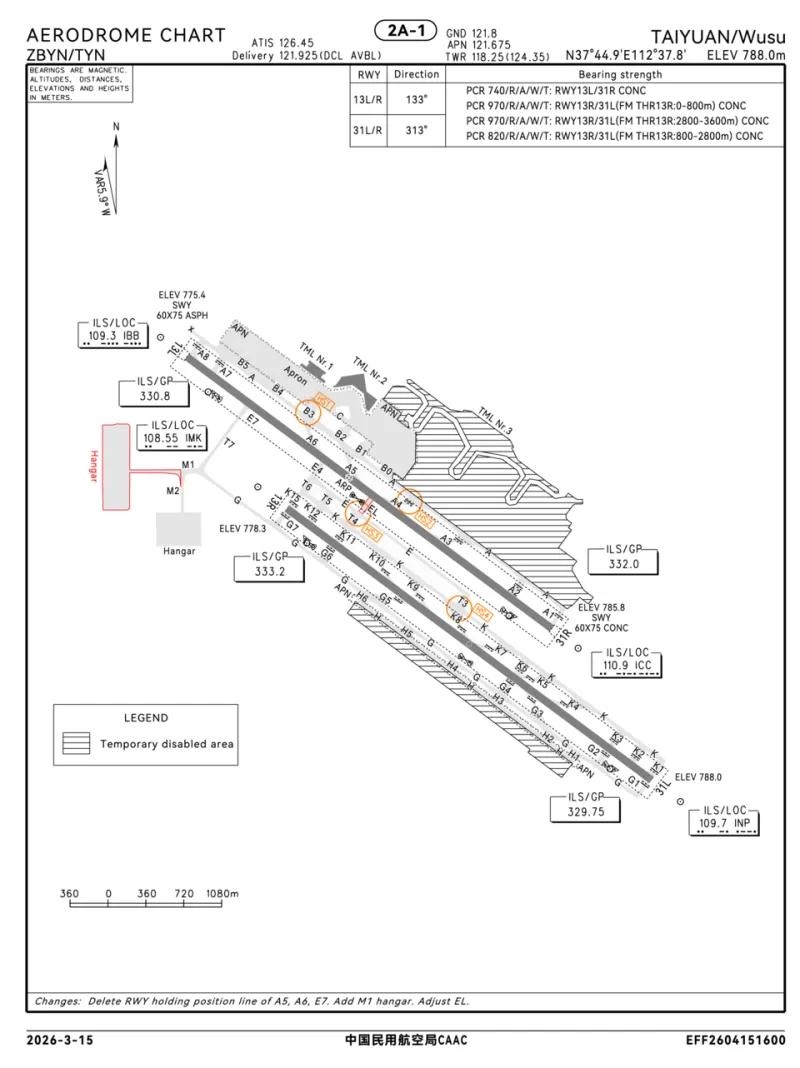
Photo: Civil Aviation Administration of China, Public domain, via Wikimedia Commons
Let's get one thing straight about Taiyuan: it does not try to be pretty in the postcard sense. This is a coal-and-steel city of nearly five million, the capital of Shanxi province, and for most of the twentieth century it ran on furnaces and vinegar. But look past the industrial haze and you'll find something American viewers rarely get from travel television — a city where Ming dynasty streets, Soviet-era factory blocks, and neon noodle shops all coexist within a fifteen-minute walk. Chinese directors figured this out decades ago. It's time the rest of us did too.
Why Filmmakers Keep Coming Back
Shanxi is cinema's favorite answer to the question "what does memory look like?" The province gave Chinese film some of its most iconic rural imagery, and Taiyuan — sitting on the Fen River, ringed by mountains — serves as the gateway to all of it. Directors love it because the city refuses to erase itself. The surviving old quarters, like the lanes around Chongshan Temple and the food streets near Yingze Park, still have the low grey-brick courtyards and stone gateways that nostalgia dramas shoot on location rather than build on a backlot.
The result is a whole genre of Chinese TV and film — call it the Shanxi memory piece — where the city itself does half the acting: coal smoke curling over rooftops, steam rising off a bowl of hand-pulled noodles, grandmothers on courtyard stoops judging everyone's life choices.
The Virtual Itinerary: Four Stops, Zero Flights
Stop one: the old streets. Start any drama set in Shanxi and watch the backgrounds. When characters wander lanes of grey brick and wooden lintels, that's the real thing — fragments of the Ming-era street grid that survived demolition. On your screen, slow the playback during any establishing shot and just look. It's the closest you'll get to strolling the old quarter until your flight is booked.
Stop two: the noodle house. Shanxi is the noodle capital of China — the province's knife-shaved noodles (daoxiao mian) are practically a religious institution, and vinegar from the region is famous enough to be a plot point in food dramas. Count how many family scenes in Chinese dramas from this region happen over a noodle bowl. Then look up a Taiyuan noodle house on a street-view map and notice: the steam, the plastic stools, the giant vinegar jug on the counter. It's all real.
Stop three: the coal town. The industrial Shanxi aesthetic — soot-grey skylines, workers' housing, the melancholy of a factory town — has anchored some of the most acclaimed Chinese films of the last twenty-five years. If your idea of a good movie is a slow, gorgeous portrait of a place changing faster than its people can, put "Shanxi neorealism" on your watchlist and thank us later.
Stop four: the courtyards. The classic Shanxi courtyard house — four sides of rooms around an open center — is where three generations of drama families bicker, reconcile, and slam doors. The real ones still stand across the province, and the ones in Taiyuan's surviving alleys are the lived-in, laundry-hanging versions, not the museum pieces.
How to Watch Like a Traveler
The trick is to treat the screen like a train window. Pick a drama set in northern China, keep a map app open on your phone, and look up every place name the characters mention. Within an evening you'll have pinned temples, river bridges, and noodle streets you can describe to coworkers with suspicious authority.
And when you're ready to go deeper, the festival circuit helps: Chinese regional films with Shanxi roots show up regularly at North American festivals and on streaming platforms that carry Asian cinema. Add one to your queue, and for two hours you'll be sitting on a plastic stool in Taiyuan, vinegar within reach, watching the coal smoke drift.
No passport. No jet lag. Just a city that remembers everything, beamed straight to your living room — which, come to think of it, is exactly what we're here for.