亚洲最精彩的内容,就在这里:欢迎来到Shanxi Stream
无论你是刚刚爱上亚洲娱乐,还是多年来的忠实粉丝,Shanxi Stream都是你的最佳去处。我们精心策划来自整个亚洲的精彩影视内容,让身处美国的你也能第一时间感受到亚洲文化的魅力。
Asia's Best Stories, Streaming to You
无论你是刚刚爱上亚洲娱乐,还是多年来的忠实粉丝,Shanxi Stream都是你的最佳去处。我们精心策划来自整个亚洲的精彩影视内容,让身处美国的你也能第一时间感受到亚洲文化的魅力。
Lee Min-ho is still selling out fan events in Los Angeles a decade after Boys Over Flowers. Meanwhile, how many stars from that same era of American TV can say the same? The way Asian drama ecosystems build and sustain actor careers isn't accidental — it's a whole different philosophy.
Pull up almost any recent Korean or Taiwanese drama on your streaming service of choice and pause on a random frame. Chances are it looks like a still from a film. That's not a coincidence — it's the result of deliberate visual philosophies that American television has been slow to adopt.
Romance gets all the press, but some of the most emotionally devastating moments in Asian drama history have nothing to do with love interests. They're about friendships — the ones that hold you together, the ones that fall apart, and the found families that show up when your real one doesn't.
Long before Netflix started A/B testing season lengths and HBO debated whether eight episodes felt too short, Asian drama networks had already landed on a number that just works. Sixteen episodes isn't an accident — it's a formula built on storytelling instinct, production economics, and a deep understanding of how audiences actually watch. Here's why the rest of the world is still catching up.
There's a reason fans are downloading Korean drama OSTs before they've even finished the final episode. Asian streaming series have quietly figured out something Western TV hasn't — that music isn't background decoration, it's storytelling. Here's why the gap keeps widening.
Asian drama fans aren't just watching their favorite episodes once — they're going back for seconds, sometimes within hours of the first viewing. It turns out this isn't accidental, and the studios behind these shows are counting on it.
American TV has a well-documented sophomore slump problem, but Asian dramas are quietly rewriting the rules on what a second season can look like. From bigger budgets to tighter scripts, here's why returning Asian shows often outshine their already-impressive debuts.
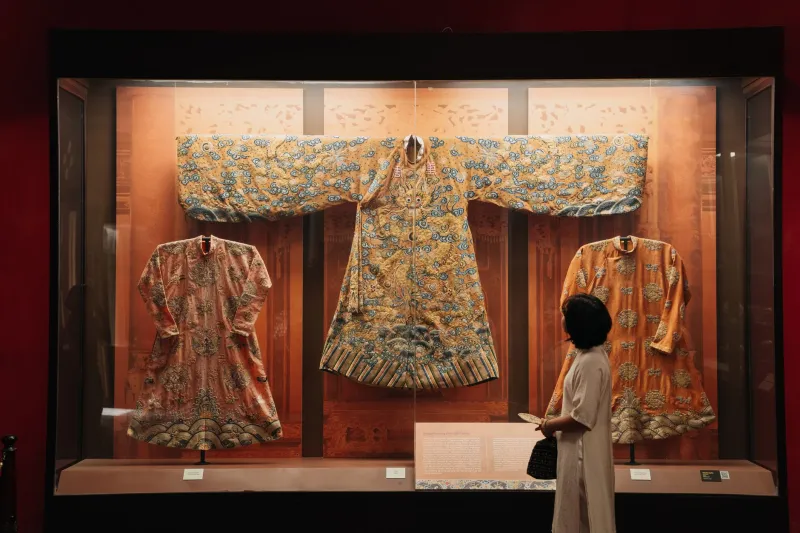
From hand-embroidered Joseon-era robes to razor-sharp modern silhouettes, Asian streaming productions are crafting wardrobes that stop viewers mid-episode just to rewind and stare. It turns out that cultural depth and obsessive craftsmanship can do what a blank check sometimes can't.
In most Western TV, supporting characters exist to make the leads look good. Asian dramas have a completely different philosophy — and once you see it, you can't unsee it. Here's why the ensemble approach in shows like Crash Landing on You has American viewers completely rethinking what a 'side character' even means.
Western TV rushes to hook you in the first five minutes. Asian dramas take their sweet time — and somehow end up with fans who won't stop talking about them for years. Here's why the 'slow' approach might actually be the smarter play.
American TV is obsessed with getting to the point. Asian dramas, on the other hand, are perfectly happy making you wait — and it turns out audiences are starting to prefer it that way. Here's why the slow burn approach to storytelling might be the most underrated thing happening in entertainment right now.
Asian television has quietly mastered something Western showrunners keep fumbling — making their villains genuinely hard to hate. From Korean revenge thrillers to Chinese period epics, the antagonists aren't just obstacles; they're mirrors. Here's why that matters, and what American TV could desperately stand to learn.
Something quietly shifted in how Americans watch Asian shows — and the dubbing industry is scrambling to keep up. From living room habits to platform strategy, the subtitle revolution is rewriting the rules of how foreign-language content gets consumed in the US.
From K-dramas to Bollywood blockbusters and Japanese anime, Asian entertainment has never been more accessible to US audiences. Here's your go-to guide for everything worth watching, streaming, and talking about right now.
Before a story becomes a Hollywood blockbuster, it usually premieres at a film festival most Americans have never visited — or even heard of. These are the Asian cinema showcases that keep studio scouts busy, and the films you can stream right now before the remakes arrive.
Peak TV gave us prestige drama, complex antiheroes, and endless seasons of diminishing returns. Asian dramas gave us endings that made us physically incapable of closing the app. Let's talk about why — and what it actually comes down to structurally.
Platforms like Tving and Wavve aren't just competing with Netflix — they're lapping it on features, fan culture tools, and content strategy. Here's why Silicon Valley is quietly paying attention, and why you should be too.