One Room, One Night: How Asian Dramas Make the Bottle Episode Feel Like a Gift
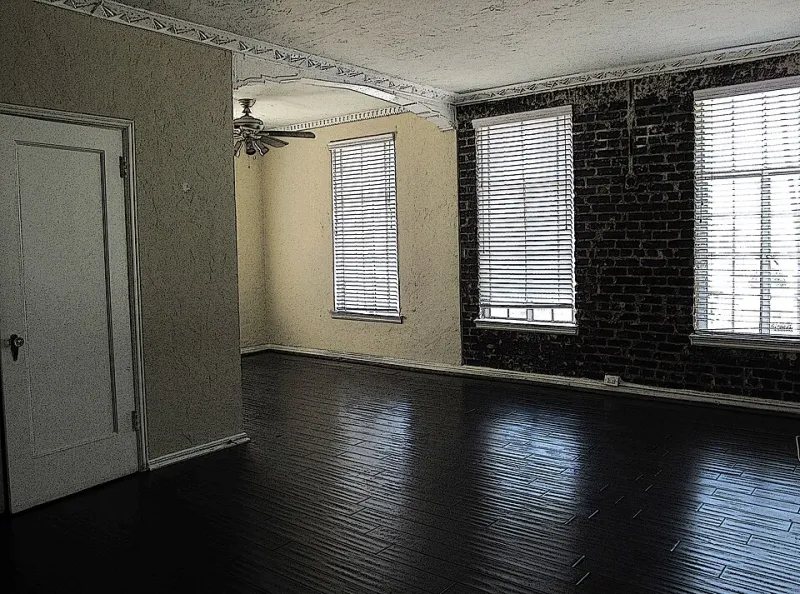
Photo: Downtowngal, CC BY-SA 3.0, via Wikimedia Commons
There's a well-worn bit of television folklore that calls these installments bottle episodes — a term from the days when an hour of TV shot almost entirely on existing sets meant you could save the standing walls and spend the money elsewhere. The name sounds like a compromise. In Asian drama, it's usually anything but.
Somewhere in the middle of a sixteen-episode run, a series will occasionally stop the engine, drop the cast count to two, and spend a full hour in a single room. Nobody travels. Nobody has a flashback to a period ballroom. And somehow it's the episode you text your friends about.
What actually counts as one
The definition is loose and that's half the fun. It could be a hospital corridor at four in the morning while two people wait for news. It could be a convenience store during a blackout with the fridge hum humming through the whole scene. It could be a company break room in which a boss and an employee are locked in a conversation they've been postponing since episode one.
What these share is restriction: one location, minimal sets, a near-total absence of the location-hopping that normally fills a runtime. What they do with that restriction is where the genre separates itself.
The economics nobody brags about
Let's be clear-eyed about the production side, because it's a real reason these episodes exist. Asian dramas run on famously compressed schedules and comparatively modest budgets compared with American prestige flagships. A confined episode means fewer location permits, no crowd, a smaller lighting package, and a shooting day that can actually be planned. This is efficient television, full stop.
The interesting part is that the efficiency never reads on screen. Watching an hour of two actors in one room, you don't think about the money. You think about the sound of a clock. That's the whole trick: the constraint is treated as an aesthetic choice rather than an apology, and viewers respond to the confidence.
Three ways Asia builds a great contained hour
The locked room
Something external keeps everyone in place — weather, a lockdown, a broken elevator, a house up a hill with no signal. The plot doesn't pause so much as it gets compressed. Two characters who have been managing fine in public now have to be honest in private.
The two-hander
No plot device at all, just two people who have never had an uninterrupted conversation. This is the rarest and the most rewarding. It's basically a one-act play, and the writing has to carry everything: what's not being said, how long someone takes to answer, whether they refill the other person's water.
The waiting episode
A character sits with uncertainty for an hour. Someone's in surgery. Someone's in an interview. Someone's flight is delayed. Dramas love this because it turns ordinary fidgeting into drama — a phone face-down on a table has never been more suspenseful.
Meanwhile, back across the Pacific
American prestige TV has its own version of the contained episode, but it often shows up as a detour: the flashback-origin hour dropped into episode seven of eight, or the experimental installment that stops the season's momentum to make a formal point. Some of these are brilliant. Plenty are self-indulgent, and they tend to feel like the show stepping outside itself to admire its own reflection.
There's a structural reason for the difference. A limited Asian drama run is a single arc with an ending already in view, so a slowed-down hour doesn't derail anything — it deepens a relationship the finale will need. An American season that's still deciding what it is can't always afford to stop. So it pads instead: a subplot, a new character, a location change, a car chase nobody asked for.
Why less feels like more on your queue
There's a streaming-specific argument here too. On a service where every episode competes with a back button and a phone, a contained hour is weirdly gripping. It removes the visual variety that trains us to click away and replaces it with tension in a single frame. Two people, one lamp, forty minutes to go. You don't wander off during that. Your brain wants to know how it resolves.
It also ages well. Big set pieces date; a conversation doesn't. The episodes people clip and repost years after a drama wraps are almost always the quiet ones — a kitchen table, a doorway, somebody finally saying the thing.
What to queue up tonight
When you're browsing, look at the episode summary. If it reads like it takes place in one room, treat that as a recommendation rather than a warning. Pour something hot, put the phone in another room, and give the hour the courtesy of your attention.
The budget got smaller. The episode got better. That's a trade most shows would kill to make.