I Learned Hangul From a K-Drama and My Sister Learned to Make Bibimbap: A Field Report on What Binge-Watching Actually Teaches You
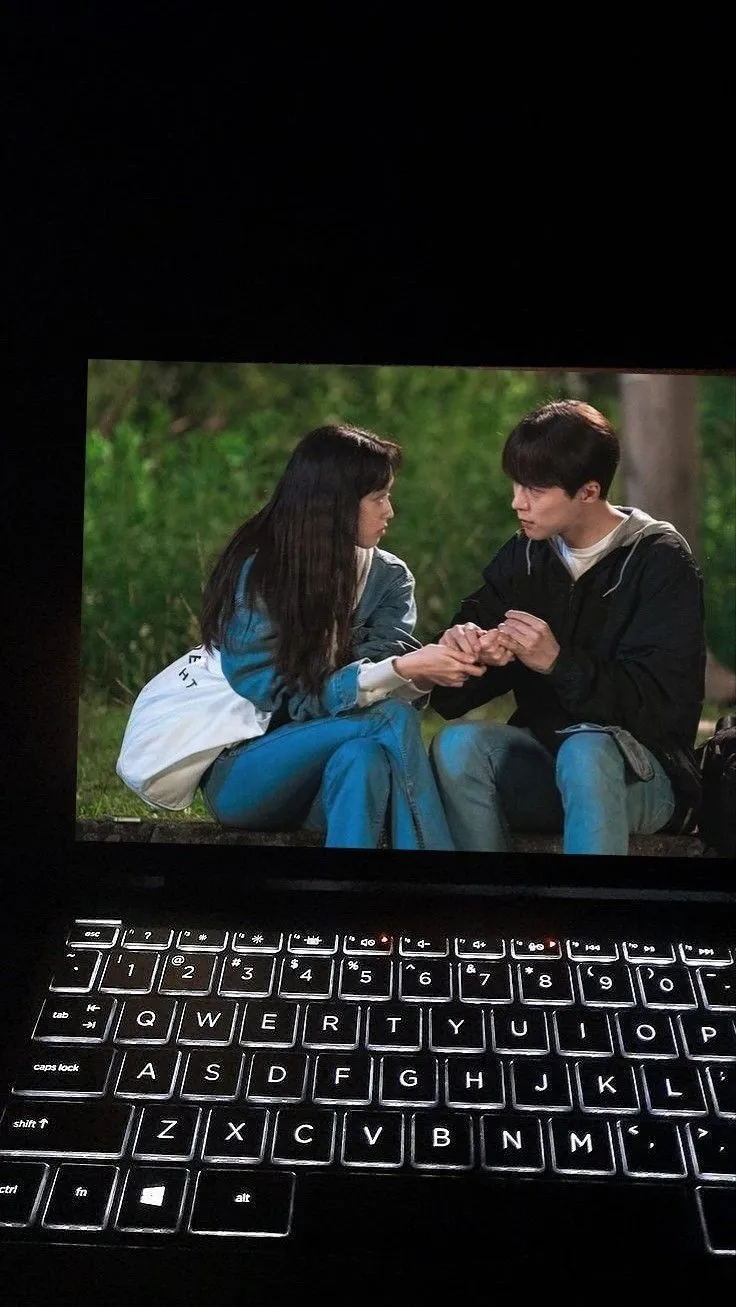
Photo: person watching korean drama laptop subtitles cozy, via i.pinimg.com
Somewhere in America right now, a person who has never taken a language class in their life just correctly read a Korean sign in the background of a drama — and then immediately texted their group chat about it. This happens constantly. The internet is full of people crediting Asian dramas with skills their high school education never delivered.
We asked around. The results were, depending on your standards, impressive, alarming, and occasionally both.
The Skills Fans Swear They Picked Up
Reading Hangul. This was the most common claim by a landslide. Hangul is famously learnable — it was literally designed in the 1440s to be easy — and fans report that after a few dozen episodes of spotting signage, product labels, and phone screens, the alphabet just... sticks. One viewer told us she ordered off a Korean menu in Flushing by sounding it out. The waiter was, quote, "visibly confused but supportive."
Cooking things. Kimchi jjigae, bibimbap, the egg rolls from every Chinese family drama ever — fans are hitting the kitchen after credits roll, and the paocai and kimchi jjigae recipes circulating on fan forums are genuinely legitimate. The less legitimate category includes "cooking rice in a rice cooker correctly," which one fan claims took three dramas to master. We don't judge.
Chopstick technique. Multiple viewers report that years of watching dramas fixed what a lifetime of takeout never did. Whether watching is a substitute for practice is debatable, but the muscle memory is apparently real.
Full travel itineraries. Fans plan entire Japan and Korea trips around drama locations — the N Seoul Tower from every K-drama confession scene, the Shibuya crossing from countless J-dramas. One fan has a spreadsheet. We've seen it. It's forty-one rows.
An unearned confidence in business etiquette. Several viewers report knowing exactly how to exchange business cards in Japan (two hands, slight bow, read it before putting it away). None have yet needed this skill. All remain ready.
So Does Screen Time Actually Teach You Anything?
We put the question to folks who study this stuff, and the answer is a qualified yes. Language researchers have long noted that comprehensible input — hearing a language alongside context you understand — builds vocabulary and pattern recognition, even passively. You won't achieve fluency from subtitles, but you'll develop an ear for cadence, common phrases, and social registers that a textbook can't fake.
Cultural literacy works similarly. Watching a drama means watching a hundred small rituals that never get explained in a travel guide: how people pour drinks for elders, how shoes come off at the door, what a first apartment actually looks like. Anthropologists call this thick description. Fans call it "knowing weirdly specific things about Seoul apartments."
The caveat: dramas are curated fantasy, not documentary. Real Korea and real Japan are more complicated than their most photogenic rooftop scenes, and treating fiction as a field guide is how stereotypes get started. The healthiest take came from one fan in Ohio: "The drama taught me enough to be curious. The curiosity sent me to actual books. Then actual kimchi. Then actual Korea."
The Verdict
Can binge-watching make you cultured? Not on its own. But as a gateway — to language apps, to the international aisle at the grocery store, to a plane ticket — the evidence is overwhelming that it works. Plenty of viewers started with a romance drama and ended up with a passport stamp and a shelf of Korean cookbooks.
That's not screen rot. That's a syllabus you didn't know you signed up for.
Now if you'll excuse us, we have a spreadsheet of Tokyo filming locations to finish.